![]() |
|
|||||||||||||||||||||||||||||||||
| Seishindo? What does it mean? and why Seishindo? As Argelander began to develop his new training methods in the 1970's, that employed the merging of Taekwondo and Kenpo Karate's Natural Weapon together, Argelander would introduce new concepts, principles and ideas of how these two system work in harmony. These concepts of physical movements, balanced together with the understanding of our own self awareness, is the completeness, or whole that every student needs, to achieve that level of completeness in their action, or way; Seishindo, "Way of the Mind"; to find the center or core, of life's force itself. | ||||||||||||||||||||||||||||||||||
![]() |
![]() |
|
||||||||||||||||||||||||||||||||
|
Frank Argelanders humble apology to the art of ~ KARATE ~ Argelander, like many others would use the name "Karate", because of it's general universal acceptance to represent all martial arts during the time period of 1970's and earlier. Ed Parker would originally name his new art "Kenpo Karate", for the same reason. |
||||||||||||||||||||||||||||||||||
|
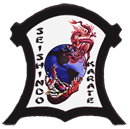
SeishinDo
Karate Crest
|
||||||||||||||||||||||||||||||||||
|
Artist
~ Paul Airhart
reperduction of the original SeishinDo Karate Crest used from
1980-1984
|
||||||||||||||||||||||||||||||||||
|
~ Founder/Originator
~
|
||||||||||||||||||||||||||||||||||
| Karate - is a great and historical martial art system, with many great practioners, and its name should be only used by those martial artist who follow it's traditons and discipline as set forth by it's founders. | ||||||||||||||||||||||||||||||||||
|
Sincerly,
Honorable Senior Grandmaster Seishindo Kenpo, Frank
Landers (aka Frank
Argelander)
|
||||||||||||||||||||||||||||||||||
|
|
||||||||||||||||||||||||||||||||||
| (Note: The translation of "Way of the Mind" is one of many ways that "Seishindo" can be translated into. "Seishindo" has a very broad meaning and does not have one certain way it can be defined. Frank Argelander in 1979, wanted the specific meaning of "Way of the Mind" translated into a Japanese word. Explaining to the old Japanese gentleman, that the word used to define "Way of the Mind" should embody the spirit or harmony between the Minds thoughts and physical action of the Kenpoist, he replied "Seishindo"; and birth was given.) | ||||||||||||||||||||||||||||||||||
|
|
||||||||||||||||||||||||||||||||||
![]() |
![]() |
|||||||||||||||||||||||||||||||||
| SeishinDo Karate - One of four original ways used to describe the newly developing martial art ideas by Frank Argelander beginning in 1979 through 1984. Since SeishinDo Karate was in its infancy of development, Argelander viewed SeishinDo Karate as simply a name to represent his Style of movement he was doing at the time. This combination of kicking skills, from his Taekwondo training, blended with the lighting hand skills of Kenpo Karate, gave Argelander a well balanced set of tools in which to build upon. Because of Argelanders training in Taekwondo, he did not move like the typical Kenpo Karate stylist at the time. Therefore, how Argelander viewed the Concepts, Principles and Ideas of both Taekwondo and Kenpo Karate, would reflect itself in his developing style or movements. Argelander would find harmony between the two systems, applying the strengths of each, and taking both systems weaknesses and applying concepts, principles and ideas based on experience and an understanding of how each bit of action becomes relative to our original action. This new approach would allow Argelanders not to look at a kick as a kick or a punch as punch but rather how to choose the correct natural weapon in each situation and why adaptability becomes so important on how we view an on coming attack. Argelander was able to eventually take his style of SeishinDo Karate and develop it into a sophisticated system called Seishindo Kenpo. | ||||||||||||||||||||||||||||||||||
| Seishindo; (Seishin: mind; soul; heart; spirit; intention), (Do: The Way) together translates into "Way of the Mind" which is the understanding of the conscious thought that goes into formulating an action as well as the subconscious understanding of how action can deceive us in battle. To achieve Seishindo you must find harmony between physical action, and compassion for those you face in battle. Physical fighting skill is only half of a students total development. Complete understanding of concepts, principles and ideas of motion is the other half of a martial artist training. Without Seishindo, a students physical abilities, may become strong and powerful, but will always lack that completion needed to achieve harmony in their training. | ||||||||||||||||||||||||||||||||||
![]() |
||||||||||||||||||||||||||||||||||
|
|
||||||||||||||||||||||||||||||||||
|
.Copyright ©2009 by Frank Landers Enterprises ~ All rights reserved ~ Designed by DreamVision |
||||||||||||||||||||||||||||||||||